The Weekly Dis
Rydström speaks (to a Swedish publication), Jimmy gets liquid, and Nationwide is 37% on your side
Spring has sprung this special, limited-time offer for new subscribers: Get 15% off an annual Silver subscription when you sign up to support local, independent, Disrespected Media. I need your help. I'm cheap. Thank you.
Henrik Rydström, who was fired from his job as coach of the Columbus Crew on May 18, has to be careful about what he says about his former employer. He had a three-year contract. He lasted just five months. He signed an exit agreement as he was getting kicked in the keister.
 Michael Arace
Presumably, the exit agreement outlines the compensation package he received upon his premature termination and includes details about how he might forfeit what he is owed. I know this much: He might have any number of criticisms he can voice – any coach who was fired after just 14 MLS games might have a couple of choice words for his former employer, right? – but he has to be very careful about what he says publicly.
I was happy to see Rydström pop his head back up in Kalmar, Sweden, and sit for an interview with newspaperman Mathias Lühr of Dagens Kalmar ("Today's Kalmar").
 Webbpartner AB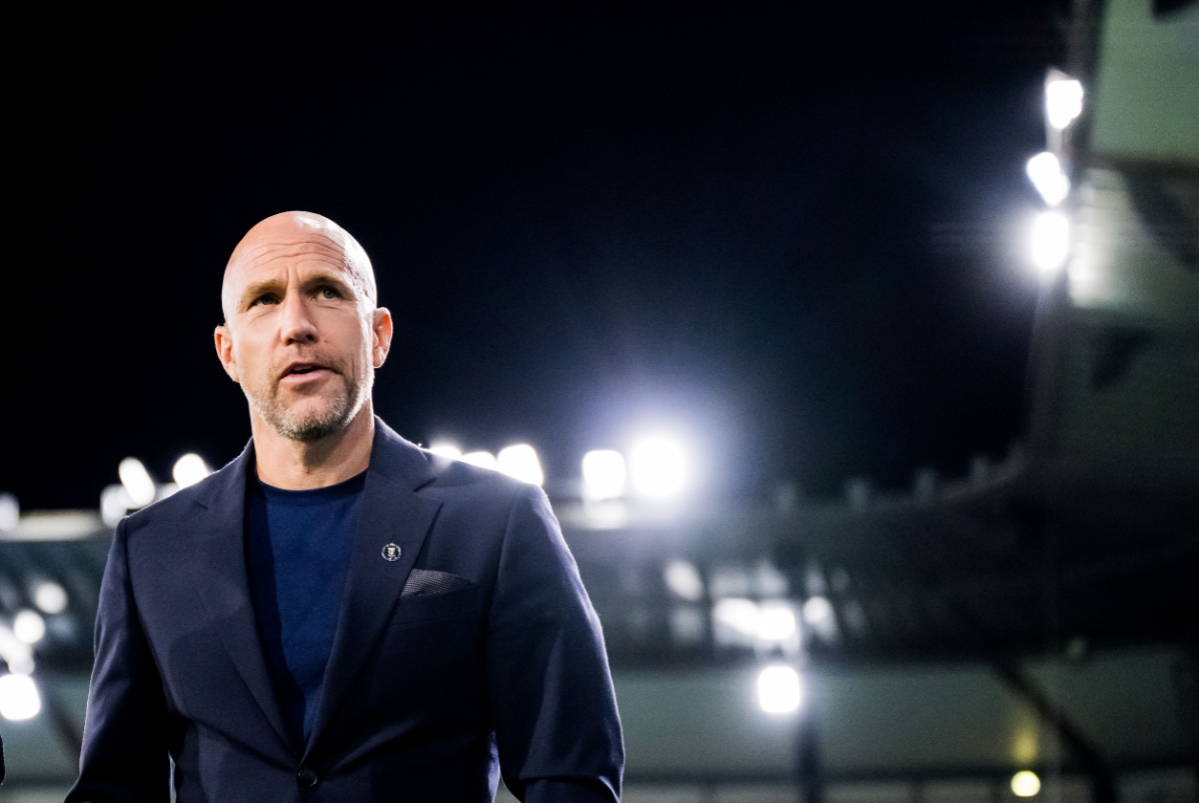
It was in Kalmar where Rydström went through the local academy, built a legend as a longtime midfielder for Kalmar FF and burnished his image as a successful coach. Although Rydström raised his international profile while with Swedish giant Malmö, Kalmar is home, and it is the place he returned to after he got shit-canned in Columbus.
Given Rydström's prominence in Sweden, much of Lühr's inquiry has to do with Kalmar FF, Malmö, the Swedish national team and Rydström's plans for the future. (He seems to fancy an executive role with the local club).
That said, Lühr does not ignore the obvious and important. He goes as deeply as he can into what happened in Columbus, and Rydström answers as honestly as he can while staying within the constraints of his exit agreement.
What follows is the portion of the Q&A that is germane to Columbus and the Crew. Although Rydström's hands are tied to some degree, what he does say is absolutely genuine. I can vouch for him.
The following has been edited for clarity, as they don't use quote marks in Sweden. They use dashes. Also, the author will jump in as a narrator of sorts, and offer a brief and abrupt transition. I kind of like that. Note that the words wobble here and there, probably due to difficulties in translating some Swedish words.
Mathias Lühr: How do you experience your time in Columbus? How is MLS doing internationally? What were the challenges – and what did you like and dislike about the USA?
Henrik Rydström: MLS is really high and low. With the DP system, you can have pure class players in the same team – I had three players who earned between 25 and 35 million kronor per year – but at the same time the salary cap means that it is thin behind the starting eleven. It creates a special dynamic.
The tactical level is also very variable. Many players want fairly clear ABC solutions to complex situations on the field. I was actually surprised that the culture you see in the NFL – with long workdays, lots of theory, meetings and briefings – doesn’t really exist in MLS. There was probably a slight clash between my requirements and what the players were used to.
At the same time, many clubs invest enormously in facilities and Columbus Crew’s facility is incredibly good. The match arrangements are top-notch and we traveled with our own plane to all away games, which makes it a lot easier.
The matches in MLS are often very open. They are decided late and almost no team can pull off long winning streaks. Home teams often win, while away games are significantly more difficult – not least with all the travel and time differences. Our first two games were played away from home and it was a new experience for me.
Something that also surprised me positively was the media. They were very curious and the tone was completely different compared to Sweden. There were rarely war headlines or polemics – more questions about tactics and real football.
ML: Rydström summarizes the reasoning:
HR: Financially, it was of course a big step up for me as a coach. For someone who had basically gone backwards in football over the years, it was a real upside.
ML: How do you view the early termination at the club?
HR: It was... strange. Since I never really had time to fully run, it was also quite easy to cut ties. Three days after the announcement, I was back in Sweden and the feeling is almost: "Did it even happen?", Rydström ponders.
At the same time, it is clear that there is a frustration. I really saw the possibilities in the club and the potential that was there. But I never had time to lead the team fully based on what I believe in.
ML: He continues:
HR: When I came to the USA, the pre-season had already been going on for three weeks and the series premiere was just over three weeks away. At that time, I could not start training according to my periodization immediately, because the risk of injury had become too great. Much of my time there was therefore about getting to know the club, the city and the league – and creating a clear picture of what decisions needed to be made later on.
My analysis was that Columbus Crew was no longer where the club should be. They were a dominant force in North America in 2023, quite good in 2024, but in 2025 the business had gone backwards on several levels. The end of 2025 was marked by many losses and late goals conceded, and that was the environment I came into. At the same time, no new blood was added to the squad.
Then it's about breaking a state – and I knew which direction I wanted to take the team in. But we never got there.
ML: Rydström sums up a long thought:
But despite everything: I had so much fun in the USA. I'm glad that my family and I made the decision to try. I would make the same choice again. The people were surprisingly open and Columbus Crew had an organization that impressed me greatly. I basically didn't have to lift a finger when it came to things outside of football.
Condor and I talk it over on the latest episode of The Crewcible podcast:
Selling off chunks of the Crew
Haslam Sports Group holds a majority share in the NFL Cleveland Browns, the Crew and an NWSL team that will come online in Columbus in 2028.
HSG also has a minority share in the NBA Milwaukee Bucks, although Jimmy Haslam sometimes presents himself as the Jerry Jones of Milwaukee. The man who did the Deshaun Watson trade is taking the lead in the Giannis Antetokounmpo's negotiations/trade discussions. Perfect.
 Jasmyn Wimbish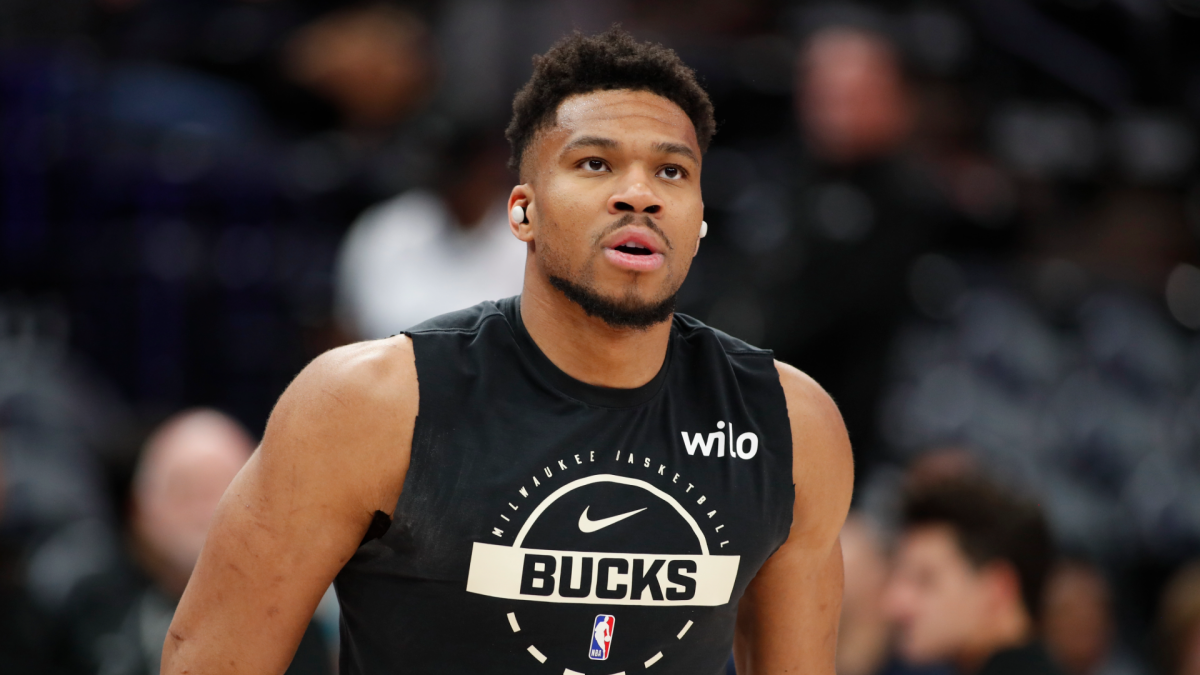
Over the past year, HSG has sold:
- A 3% share of the Browns, estimated to be worth $190 million, to a private equity firm.
- A 10% share of the Crew, estimated to be worth $90 million, to the Edwards family (Crew co-owners).
- A $30% share of the Crew, estimated to be worth $270 million, to Nationwide (Columbus NWSL co-owners with the Edwards family).
Numerous outlets, including CNBC, had the details on the latest deal:
30% is being sold by Haslam and 7% by Edwards family. https://t.co/6ES0hplydt
— Mike Ozanian (@MikeOzanian) May 28, 2026
A few thoughts and observations:
- The Crew ownership now looks like this: HSG 40%, Nationwide 37%, Edwards family 23%. So, the majority control of the Crew now rests in the hands of Columbus people. That is a good thing.
- Nationwide's development arm, Nationwide Realty Investors, built the Arena District. Nationwide now has significant stakes in the Crew, the upcoming NWSL team and the Blue Jackets. Don't quote me on this, but I believe Nationwides has at least 30% interest in the NWSL team and the Jackets.
- The Haslams put up $120 million of the $150 million it cost to buy the Crew in 2019. They also (presumably) paid the lion's share of what it cost to build the new stadium and the training facility, which together cost around $344 million. So, let's say the Haslams' total investment in the Crew is around $466 million.
- The latest valuation of the Crew franchise is in the range of $900 million, or around 6X of what the Haslams and Edwards families paid seven years ago. This is why billionaires buy pro sports franchises, for the equity (and for the near-criminal acts that can be committed with the tax code).
- My paper-napkin estimate is that the Haslams have raised around $550 million selling off pieces of the Crew. Considering their original investment of around $344 million, it appears they can still replace any of their yachts if, say, a light bulb goes out. This is one reason why, when you hear any owner of a pro sports team say, "We're losing money" or "It's a failed market," the correct first response is, "Show me your taxes."
- Why are the Haslams extracting some liquidity from their assets? I would guess that they need to show a significant amount of cash on hand to solicit all the financing they will need to finish screwing the City of Cleveland by building their new dome/mixed-use development/parking garages out by the airport in Brook Park. With the help of our state legislature.
- Pro-sports team owners don't care about the fans, and one of the surest signs of that is when they sell anything to private equity firms. Because private equity firms don't give a shit about anything other than a diagonal green that goes up from left to right.
- That last bullet point doesn't fit with the others, not quite, and I'm not exactly sure why it's there. Sometimes my fingers just type. Anyway, stay vigilant, my friends. And have a nice day.
This week on "All Sides with Amy Juravich"
I love public radio, which is why I should apologize for damaging the brand by appearing on "All Sides" Wednesday morning. I had to follow Peter Sagal (not kidding) and was destined to fail anyway. Amy wanted to talk Crew and World Cup, and I hope she got a raise.
Midway through my appearance, I got a text from Mrs. Arace:
"Don't be so grumpy."
Give it a listen if you like.
 sports journalist and founder, Disrespected Media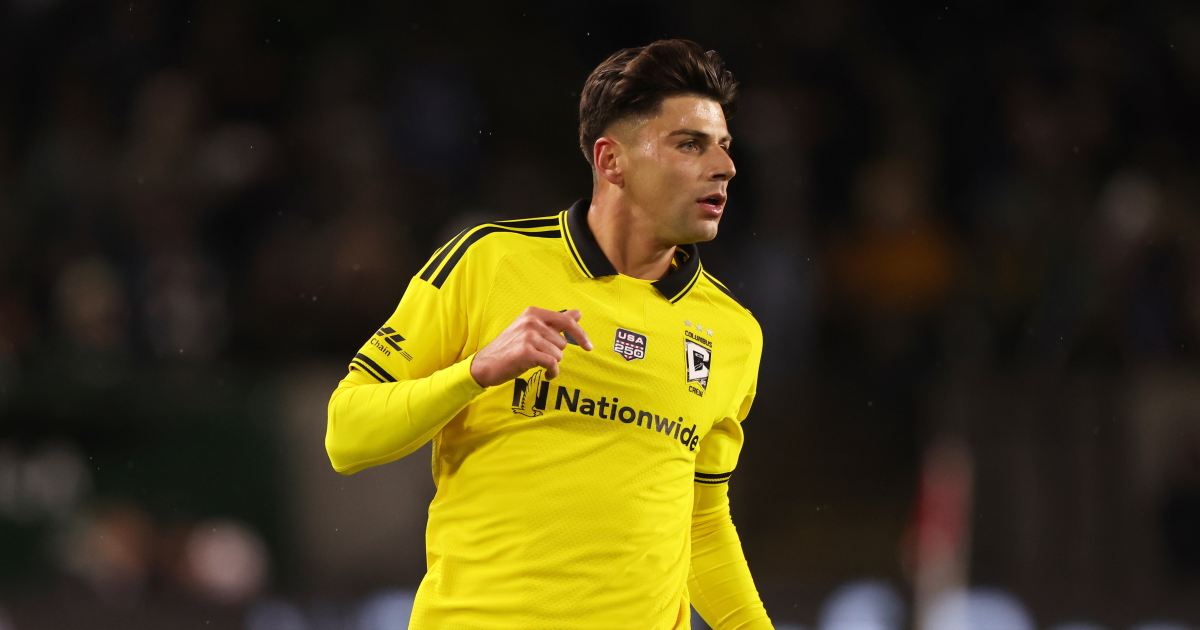
I tried to bait Mo Farsi and he wouldn't bite
Thanks for reading. If you're enjoying what you see and you are of a mind, click on the link below and leave a tip. If you've yet to subscribe, consider making a small hop over a paywall. It'll help keep local, independent media disrespected. You can follow me @MichaelArace1.bsky.social. Have a nice day.
Click below to leave a tip. Thanks.
 Michael Arace